


Understanding the Benefits and Applications of Concrete Overlays
Concrete surfaces often face wear and tear from weather, heavy use, and time. When these surfaces start to show cracks, stains, or unevenness, replacing the entire slab can be costly and time-consuming. This is where concrete overlays come in as a practical and effective solution. But what exactly is a concrete overlay, and why is it becoming a popular choice for homeowners, contractors, and designers?

What Is a Concrete Overlay?
A concrete overlay is a thin layer of cement-based material applied over an existing concrete surface. This layer can be as thin as a quarter-inch or up to a few inches thick, depending on the product and purpose. Overlays are designed to restore, resurface, or enhance concrete surfaces without the need for complete removal and replacement.
The overlay material typically consists of a blend of cement, polymers, and aggregates. Some overlays include decorative elements like color pigments, stains, or stamped patterns to mimic natural stone, brick, or tile. The application process involves cleaning the existing surface, repairing any major damage, and then spreading or spraying the overlay mixture evenly.
Why Choose a Concrete Overlay?
Concrete overlays offer several advantages compared to other repair or replacement options:
Cost-effective: Overlays require less material and labor than full concrete replacement, making them budget-friendly.
Time-saving: The application and curing process is faster, allowing surfaces to be used sooner.
Versatile: They can be applied to floors, driveways, patios, pool decks, sidewalks, and even interior surfaces.
Aesthetic upgrade: Overlays can transform dull, cracked concrete into attractive, customized surfaces.
Durability: High-quality overlays provide a strong, wear-resistant surface that can last for years.
Eco-friendly: By reusing the existing concrete base, overlays reduce waste and the need for new raw materials.

Types of Concrete Overlays
There are several types of concrete overlays, each suited for different needs:
1. Microtoppings
Microtoppings are very thin overlays, usually less than 1/8 inch thick. They are ideal for interior floors or light-use areas where a smooth, decorative finish is desired. Microtoppings can be polished or stained to create a modern, seamless look.
2. Self-Leveling Overlays
These overlays have a fluid consistency that allows them to spread evenly across uneven surfaces. They are often used to level floors before installing other flooring materials or as a finished surface on their own.
3. Polymer-Modified Overlays
Adding polymers to the mix improves adhesion, flexibility, and resistance to cracking. These overlays are suitable for exterior surfaces exposed to weather and heavy traffic.
4. Stamped or Textured Overlays
These overlays include patterns or textures pressed into the surface before curing. They can imitate natural stone, brick, tile, or wood, providing a decorative option for patios, walkways, and pool decks.
Common Applications of Concrete Overlays
Artcon Concrete + uses concrete overlays in a variety of settings, both residential and commercial:
Residential Driveways and Patios
Driveways and patios often suffer from cracks, stains, and surface wear. Applying an overlay can restore these areas quickly and improve curb appeal. Decorative overlays can add color and texture to match landscaping or home design.
Interior Floors
Concrete overlays are popular for interior floors in homes, retail stores, and restaurants. They provide a durable, easy-to-clean surface that can be customized with colors and finishes to suit any style.
Pool Decks and Walkways by Artcon Concrete +
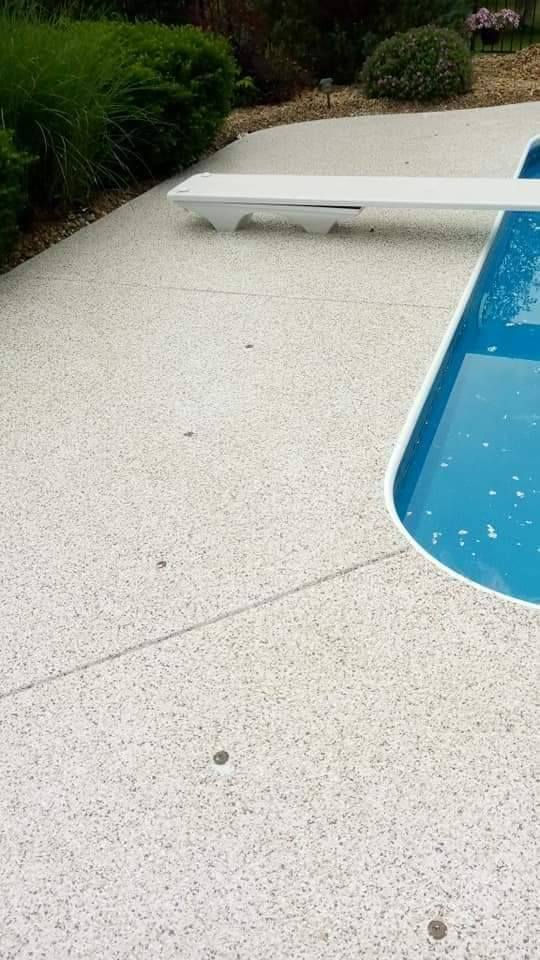
Pool decks require slip-resistant, weatherproof surfaces. Overlays with textured finishes offer safety and aesthetic appeal. Walkways can also benefit from overlays that cover cracks and create a uniform look.
Commercial Spaces
Warehouses, showrooms, and office lobbies use overlays to repair damaged floors or create attractive surfaces that withstand heavy foot traffic and machinery.
Maintenance and Longevity
Concrete overlays are relatively low-maintenance. Regular cleaning with mild detergents and water keeps the surface looking fresh. Avoid harsh chemicals or abrasive tools that can damage the overlay.
Depending on the quality of materials and installation, overlays can last 10 to 20 years or more. Periodic resealing helps extend their lifespan and maintain appearance.
When Not to Use a Concrete Overlay
While overlays are versatile, they are not suitable for every situation. Avoid overlays if:
The existing concrete has severe structural damage or deep cracks.
The surface is unstable or prone to movement.
There is significant moisture or drainage issues beneath the slab.
In these cases, full replacement or other repair methods may be necessary.
If you call Artcon Concrete + at (603) 820-6364 they can come out and evaluate your existing concrete.


Comments